CONSTRUCTION SCHEDULING DELAY ANALYSIS EXPERT SUPPORT
Plan with confidence. Defend every day.
Construction scheduling, delay analysis & expert support.
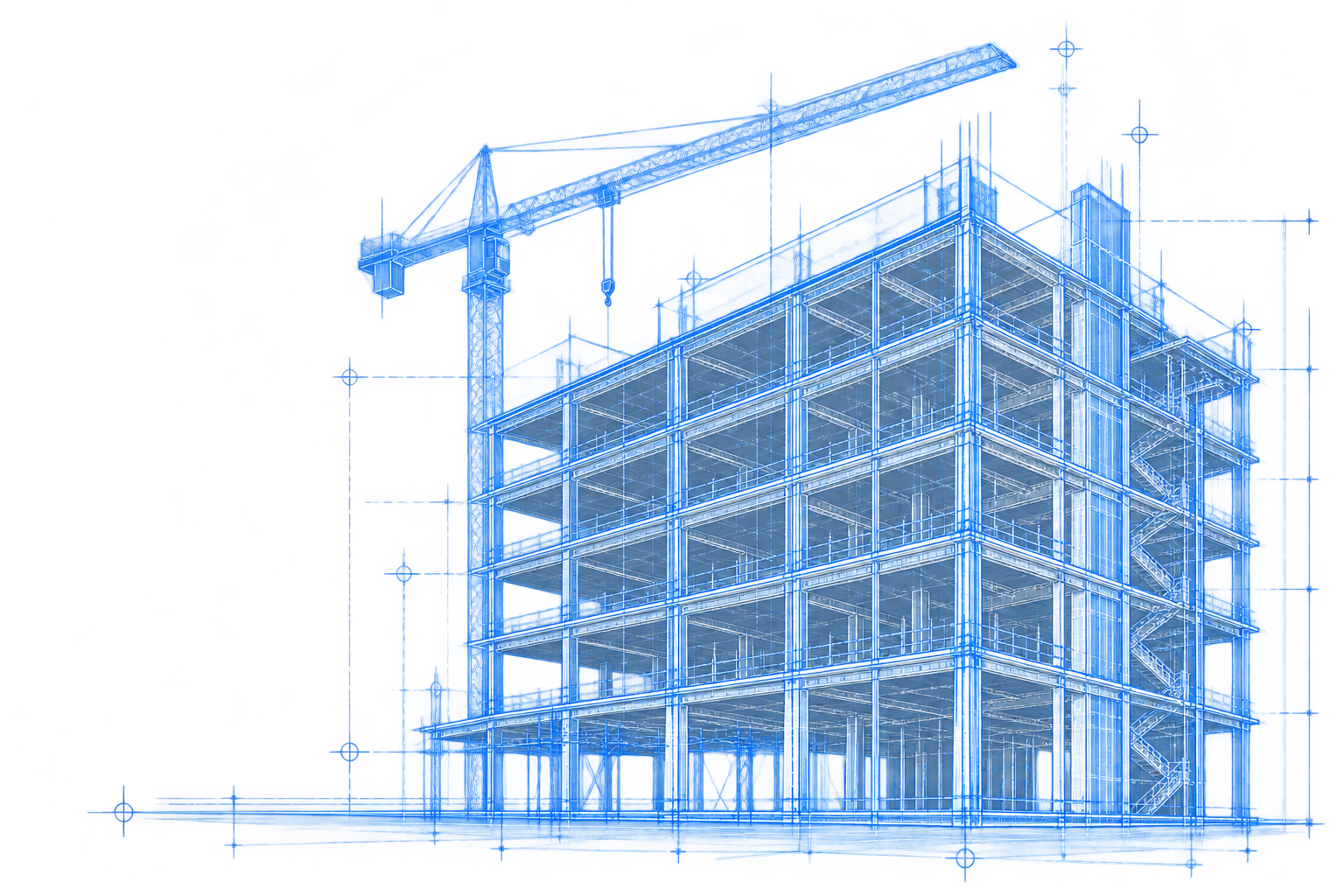
FIG. 01 / STRUCTURAL SEQUENCEAXONOMETRIC · NOT TO SCALEPROJECT CONTROLS SCHEDULE ANALYSIS EXPERT SUPPORT
SCHEDULE STUDY / COMMERCIAL CONSTRUCTION
Every activity. A connected plan.
An illustrative CPM sequence, from the first day to substantial completion.
Commercial construction24 months
YEAR 01YEAR 02
Q1Q2Q3Q4Q1Q2Q3Q4
Simplified view. Envelope and MEP run in parallel; both precede interiors. Amber marks the critical sequence.
01 / OUR SERVICESPLAN · EVALUATE · EXPLAIN
The plan ahead. The record behind it.
Construction schedules tell a connected story. We help develop the plan, evaluate changes as work progresses, and make sense of the record when timing is in question.
01 / ESTABLISH THE SEQUENCE
Construction Scheduling
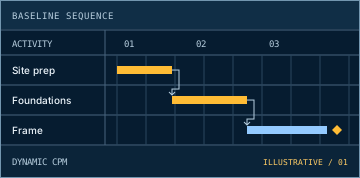
Turn project scope into a working sequence. From conception through completion, a useful schedule connects the work, the milestones, and the progress reported along the way.
Scope & details
Build the baseline. Keep it useful.
Baseline creation & development
Organize activities, durations, and relationships into a CPM schedule. Identify key milestones and document the planning assumptions that shape the sequence.
Schedule updates
Incorporate reported progress, actual dates, and remaining work. Review how the current sequence compares with the baseline and previous updates.
Progress analysis
Examine activity movement, critical-path changes, and upcoming work. Identify timing concerns so the project team can understand where attention is needed.
WHEN IT HELPS
Developing a project plan, establishing a baseline, preparing an update, or understanding progress against planned milestones.
02 / UNDERSTAND THE CHANGE
Delay Analysis
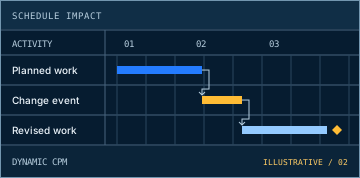
A change to one activity can affect the work that follows. Evaluate the timing, relationships, and surrounding project conditions to understand its schedule effect.
Scope & details
Connect the event to its effect.
Time impact analysis
Evaluate how an identified event or proposed change interacts with the applicable schedule. Examine its relationship to the critical path and project milestones.
Change-order review
Review the schedule basis of a proposed time adjustment, including the affected activities, sequencing assumptions, and available supporting records.
Delay avoidance & schedule-effect evaluation
Assess emerging timing concerns and potential sequencing responses. Help the team understand the schedule implications of decisions before work moves further ahead.
WHEN IT HELPS
Evaluating a change, reviewing a request for additional time, or assessing a developing issue that may affect planned completion.
03 / MAKE THE RECORD CLEAR
Forensic Review & Expert Support
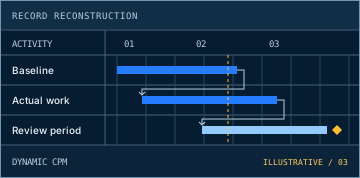
Reconstruct how the project unfolded and explain the schedule findings. Ground the analysis in the available record, with assumptions and limitations made clear.
Scope & details
Follow the evidence. Explain the sequence.
Project-record review
Review available schedules, updates, progress records, correspondence, and change documentation to establish a chronology and identify gaps in the record.
Delay reconstruction
Compare planned and actual sequencing, trace relevant events, and examine how the critical path developed over time. Select an analytical approach suited to the question and available information.
Expert support & clear findings
Organize the analysis into understandable narratives, timelines, and schedule exhibits. Explain the reasoning, supporting records, and limits of the findings for project or dispute discussions.
WHEN IT HELPS
Reviewing a completed or disrupted project, reconciling competing schedule accounts, or preparing a clear explanation of the project record.
Not sure where to start? Tell us the project phase and the timing question you need to answer.
02 / OUR APPROACHSEQUENCE · RECORD · IMPACT
A clear line from evidence to explanation.
Start with the question. Understand the schedule. Follow the record. Each step connects the analysis to the information available and makes the reasoning easier to examine.
BEFORE THE ANALYSISDefine what needs to be understood.
Establish the project phase, the timing question, and the intended use of the review. Identify the schedules and records available, the period in question, and any gaps that may affect the scope or analytical approach.
01↓
THE PLANNED SEQUENCEEstablish the plan.
Understand how the work was intended to proceed before evaluating how it changed. Read the schedule as a connected sequence, with attention to the assumptions behind it.
Review the baseline, applicable updates, and key project milestones.
Examine activity relationships, durations, calendars, and constraints.
Identify the planned critical path and the work controlling important dates.
02↓
THE PROJECT RECORDTrace what changed.
Build a chronology that connects relevant events to the work. Compare what the schedule reported with what the available project record supports.
Compare updates, reported progress, actual dates, and remaining work.
Trace changes, decisions, access issues, and sequencing revisions where relevant.
Distinguish documented facts from assumptions and identify missing or inconsistent information.
03◇
THE SCHEDULE EFFECTExplain the impact.
Evaluate how the identified events relate to the sequence and critical path. Choose an analytical approach that fits the question and the quality of the records.
Assess effects on activity timing, available float, and relevant milestones.
Consider overlapping events and changes in the controlling sequence over time.
Explain the findings, supporting logic, assumptions, and limits of the analysis.
01 / TRACEABLE
Connect findings to schedules and project records.
02 / TRANSPARENT
State assumptions, information gaps, and analytical limits.
03 / UNDERSTANDABLE
Make the sequence and reasoning clear to the reader.
03 / LET’S TALK ABOUT YOUR PROJECTSTART WITH THE QUESTION
PROJECT INQUIRY / DYNAMIC CPM LLC
What does your schedule need to explain?
Whether you’re developing a baseline, evaluating a change, or making sense of the project record, start with where the project stands and what you need to understand.
A short form to organize your project details.
A useful starting point.
You don’t need a complete analysis to describe the question. A few details help frame the conversation.
01
Where the project stands
Project type, current phase, and the milestones or dates that matter.
02
The timing question
A baseline to develop, a change to evaluate, or a sequence of events to reconstruct.
03
The information available
Whether you have schedules, updates, progress records, or other supporting documentation.
04
What you’re working toward
The decision, review, or explanation the analysis needs to support—and any relevant timing.